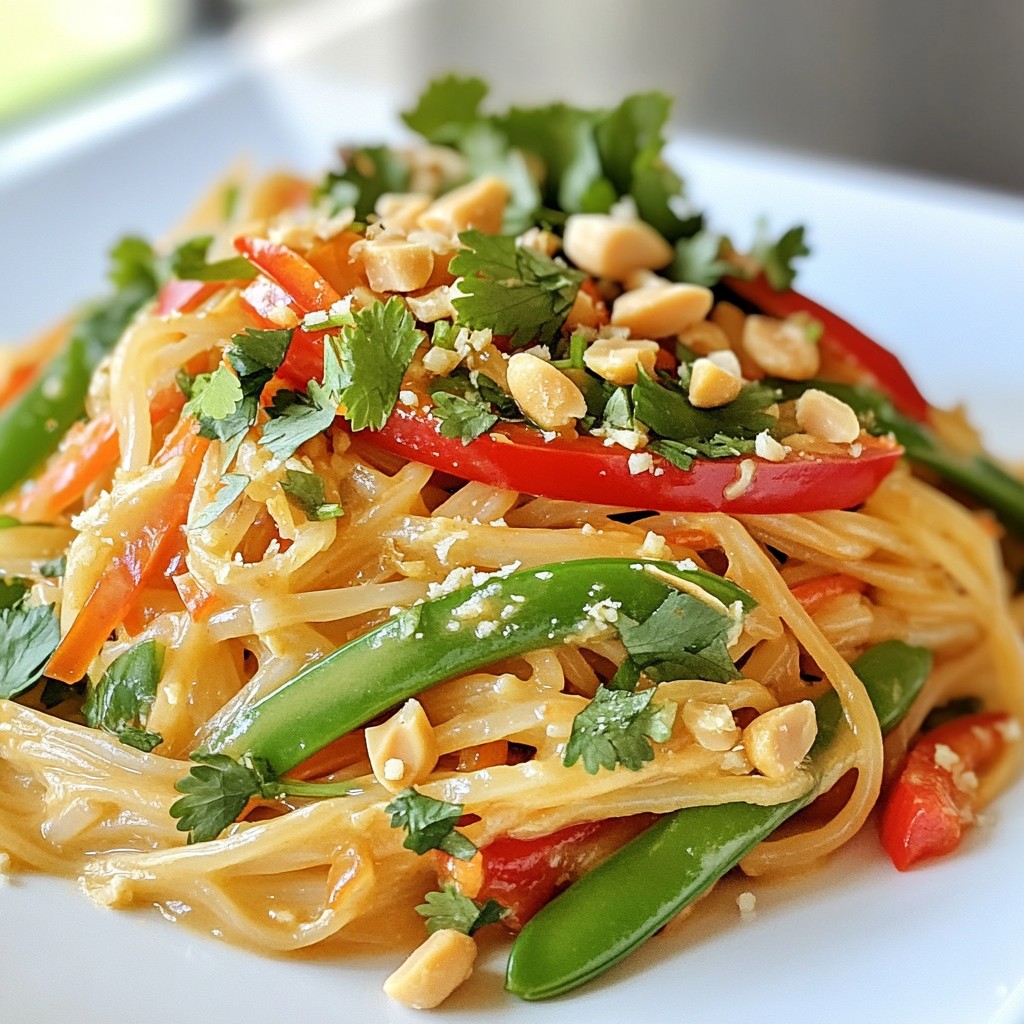
Are you ready to whip up a quick meal that's bursting with flavor? Spicy Thai Peanut Noodles are the answer! This dish combines rich, creamy peanut sauce with perfectly cooked noodles and fresh veggies. In this guide, I'll share tips, step-by-step instructions, and the best ingredients to make your noodles shine. Whether you're a seasoned cook or a beginner, you’ll find everything you need to create this mouthwatering dish. Let’s dive in!
Why I Love This Recipe
- Quick and Easy: This recipe comes together in just 25 minutes, making it perfect for a weeknight dinner.
- Flavor Explosion: The combination of peanut butter, lime, and garlic creates a rich and zesty sauce that is simply irresistible.
- Customizable: You can easily adjust the spice level and add any of your favorite vegetables to make it your own.
- Healthy and Satisfying: This dish is packed with fresh veggies and has a great balance of protein from the peanut butter.
Ingredients
Essential Ingredients for Spicy Thai Peanut Noodles
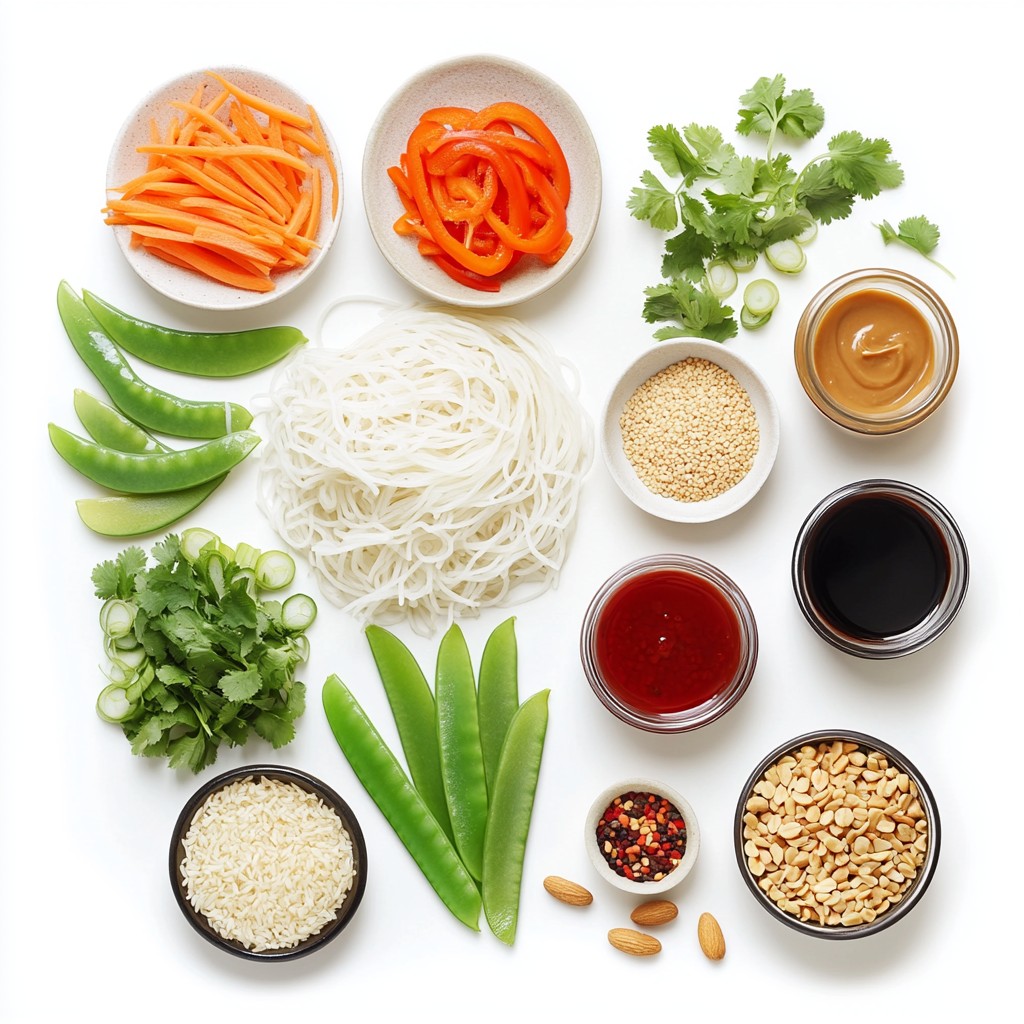
To make Spicy Thai Peanut Noodles, you'll need some key ingredients. Here’s a list:
- 8 oz rice noodles
- 1 cup snow peas, trimmed
- 1 red bell pepper, sliced
- 1 carrot, julienned
- 2 green onions, chopped
- 1 cup bean sprouts
- 1/4 cup peanut butter (creamy or crunchy)
- 3 tablespoons soy sauce (or tamari for gluten-free)
- 2 tablespoons lime juice
- 1 tablespoon brown sugar
- 2 cloves garlic, minced
- 1 tablespoon sesame oil
- 1 teaspoon red pepper flakes (adjust to taste)
- 1/4 cup crushed peanuts for garnish
- Fresh cilantro for garnish
These ingredients bring a burst of flavor and texture. The rice noodles form a soft base. The veggies add crunch and color. The peanut sauce ties everything together with creamy goodness.
Optional Add-ins for Enhanced Flavor
You can boost your dish with some optional add-ins. Consider these:
- Cooked chicken or tofu for protein
- Sliced cucumbers for extra crunch
- Chopped cashews for added texture
- Sriracha for an extra kick of heat
These add-ins can change the dish based on your cravings. Mix and match based on what you have on hand.
Substitutions for Dietary Preferences
If you have dietary needs, you can easily swap some ingredients. Here are some ideas:
- Use zucchini noodles instead of rice noodles for a low-carb option.
- Swap peanut butter with almond butter if you're allergic to peanuts.
- Try coconut aminos instead of soy sauce for a soy-free option.
These substitutions keep the dish tasty while meeting your needs. Don't be afraid to experiment!
Step-by-Step Instructions
Cooking the Rice Noodles Perfectly
Start by boiling water in a large pot. Add the rice noodles and cook them according to the package instructions. You want them al dente, so check them often. Once done, drain the noodles and rinse them under cold water. This stops the cooking and keeps them from sticking. Set the noodles aside while you prep the veggies.
Preparing Fresh Vegetables
While the noodles cook, get your vegetables ready. Trim the snow peas and slice the red bell pepper. Julienning the carrot gives it a nice look and texture. Chop the green onions and set them aside with the bean sprouts. Having everything prepped makes cooking fast and easy.
Whisking Up the Homemade Peanut Sauce
In a medium bowl, combine the peanut butter, soy sauce, lime juice, brown sugar, and minced garlic. Add sesame oil and red pepper flakes for a kick. Whisk these ingredients until smooth. If the sauce is too thick, add a splash of water. This sauce is key to the flavor of your dish.
Combining Ingredients for Maximum Taste
In a large mixing bowl, combine the cooked rice noodles and the fresh vegetables. Gently toss them together. Pour the peanut sauce over the mixture. Use a spatula to coat everything evenly in the sauce. The noodles absorb flavors well, making every bite tasty.
Adjusting Flavor for Personal Preference
Taste your noodle dish after mixing. If you want more spice, add extra red pepper flakes. If you like it tangy, squeeze in more lime juice. Adjust the flavor to make it perfect for you. Remember, cooking is all about personal taste.
Serving Suggestions for Presentation
Now that your dish is ready, it’s time to serve! Transfer the noodles to plates or bowls. Garnish with crushed peanuts for crunch and fresh cilantro for color. This adds a nice touch and makes the dish look inviting. Enjoy your beautiful and delicious Spicy Thai Peanut Noodles!
Tips & Tricks
How to Cook Noodles Al Dente
To cook rice noodles al dente, watch the time closely. Start boiling water in a large pot. Add the noodles and stir them right away. Check the package for the cooking time. It’s usually around 5 to 7 minutes. Taste a noodle a minute before the time ends. It should be firm but not hard. When done, drain and rinse them in cold water. This stops further cooking and keeps them from sticking.
Making Ahead for Meal Prep
Making Spicy Thai Peanut Noodles ahead of time is smart. Cook the noodles and prep the veggies in advance. Store them separately in airtight containers in the fridge. You can also mix the peanut sauce and keep it in a jar. When you’re ready to eat, just combine everything. Toss them together with the sauce for a quick meal. This saves time on busy days.
Storing Leftovers Properly
To store leftovers, let the noodles cool first. Place them in an airtight container. Keep the peanut sauce separate to avoid soggy noodles. Leftovers can last about 3 to 4 days in the fridge. When reheating, add a splash of water to the noodles. This helps them regain their original texture. Enjoy your tasty meal again by following these easy steps!
Pro Tips
- Adjust the Spice: Add red pepper flakes gradually to control the heat level to your preference.
- Fresh Ingredients Matter: Use fresh vegetables for the best flavor and crunch in your dish.
- Peanut Butter Choice: Creamy peanut butter will give a smoother sauce, while crunchy will add texture.
- Garnish with Herbs: Fresh cilantro not only adds flavor but also a beautiful presentation to your dish.
Variations
Vegetarian or Vegan Modifications
To make this dish vegetarian or vegan, we can easily swap some ingredients. Use tamari instead of soy sauce for a gluten-free option. You can also use maple syrup in place of brown sugar. The peanut butter is already vegan, so you’re good there! For protein, skip the meat and rely on the veggies for a healthy bite.
Protein Additions: Chicken, Tofu, Shrimp
Want to boost the protein? Add chicken, tofu, or shrimp. For chicken, use cooked, shredded pieces. Tofu can be cubed and sautéed until golden. If you choose shrimp, sauté them until pink and tender. All three options work well with the peanut sauce and add a tasty twist.
Spice Level Adjustments for Different Palates
Do you like it hot? You can change the spice level easily. Start with one teaspoon of red pepper flakes. Taste it, then add more if you like heat. If you prefer milder flavors, reduce the red pepper flakes and add extra lime juice for zest. This way, everyone can enjoy their perfect bowl of noodles!
Nutritional Information
Caloric Breakdown per Serving
Each serving of Spicy Thai Peanut Noodles has about 400 calories. This dish serves four people, making it a filling meal. Most of the calories come from the rice noodles and peanut butter. The added veggies also contribute fiber and nutrients.
Health Benefits of Key Ingredients
- Rice noodles: These are gluten-free and easy to digest. They provide quick energy.
- Peanut butter: This adds protein and healthy fats. It helps keep you full longer.
- Veggies: Snow peas, bell peppers, carrots, and bean sprouts add vitamins. They boost your intake of fiber, which aids digestion.
- Lime juice: This adds vitamin C, which is great for your immune system.
- Garlic: This has health benefits, including anti-inflammatory properties.
Dietary Considerations and Allergen Info
- Gluten-free option: Use tamari instead of soy sauce for a gluten-free dish.
- Nut allergies: Be cautious, as peanut butter is a common allergen. You can substitute sunflower seed butter.
- Vegan option: This recipe is already vegan-friendly since it contains no animal products.
This dish suits many diets, but always check for specific food allergies. Enjoy your tasty and nutritious meal!
FAQs
How long do Spicy Thai Peanut Noodles last in the fridge?
Spicy Thai Peanut Noodles stay fresh for about three to four days in the fridge. Make sure to store them in an airtight container. This helps keep the flavors intact and the noodles from drying out.
Can I freeze Spicy Thai Peanut Noodles?
Yes, you can freeze Spicy Thai Peanut Noodles. Just place them in a freezer-safe container. They can last for up to three months in the freezer. To eat, thaw them in the fridge overnight and reheat in a pan.
What can I serve with Spicy Thai Peanut Noodles?
You can serve these noodles with many tasty sides. Try spring rolls, a light salad, or even grilled chicken. They pair well with a refreshing beverage, like iced tea or lemonade.
Where did Spicy Thai Peanut Noodles originate?
Spicy Thai Peanut Noodles come from Thailand. This dish mixes flavors from various Thai cuisines. It highlights the use of fresh ingredients and bold spices, making it a favorite for many.
Spicy Thai Peanut Noodles combine fresh ingredients and bold flavors. We discussed essential elements, cooking methods, and fun variations to suit your taste. Whether you prefer spicy, vegetarian, or protein-rich options, this dish can adapt to your needs.
Remember, making this meal is simple and enjoyable. Don’t hesitate to experiment with flavors! You can create a special dish that fits your cravings and impresses your friends. Enjoy your cooking!